 USD
USD TZS
TZS UGX
UGX ZAR
ZARDomain names are grouped into different categories based on purpose, geography, and usage. Understanding these domain types helps you choose the right domain for your website, business, or organization.
All domain systems are coordinated globally by ICANN.
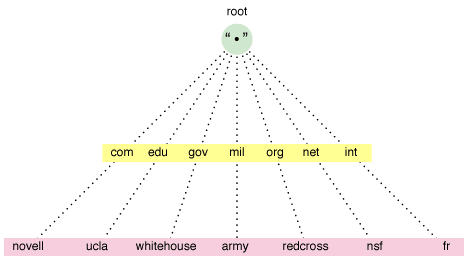
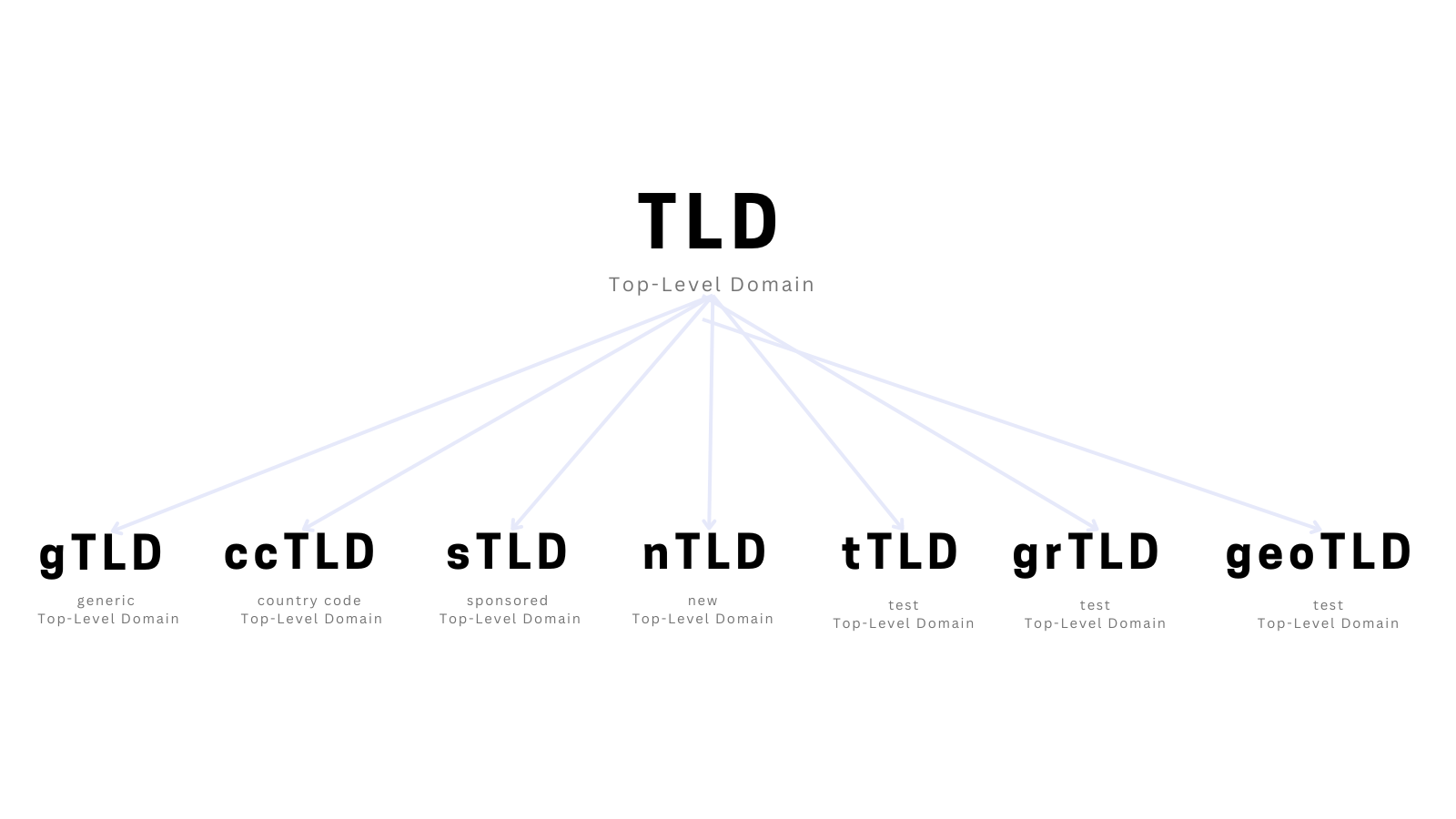

1. gTLD (Generic Top-Level Domain)
What is a gTLD?
A gTLD is a generic domain extension that is not tied to any country. It is available for global use.
Examples
-
.com -
.org -
.net -
.info -
.biz
Best For
-
Global businesses
-
Organizations
-
Blogs and websites with international audiences
✅ No country restrictions
✅ Most popular and widely recognized
2. New gTLD (New Generic Top-Level Domain)
What is a New gTLD?
New gTLDs are modern domain extensions introduced to give users more naming options and industry-specific branding.
Examples
-
.tech -
.online -
.store -
.blog -
.app -
.agency
Best For
-
Tech startups
-
E-commerce websites
-
Niche brands
-
Modern online projects
✅ More availability
✅ Strong branding opportunities
3. ccTLD (Country Code Top-Level Domain)
What is a ccTLD?
A ccTLD represents a specific country or territory and usually consists of two letters.
Examples
-
.ke– Kenya -
.ug– Uganda -
.us– United States -
.uk– United Kingdom -
.de– Germany
Best For
-
Local businesses
-
Country-targeted websites
-
Local SEO optimization
???? Strong local identity
???? Better local search visibility
4. ccSLD (Country Code Second-Level Domain)
What is a ccSLD?
A ccSLD is a structured domain under a ccTLD, often indicating business type or organization category.
Examples
-
.co.ke– Businesses in Kenya -
.or.ke– NGOs in Kenya -
.ac.ke– Academic institutions -
.co.ug– Businesses in Uganda -
.co.uk– Businesses in the UK
Best For
-
Businesses and organizations operating in specific countries
-
Users who want strong local trust
✅ Highly trusted locally
✅ Clear purpose and structure
5. Sponsored TLD (sTLD)
What is a Sponsored Domain?
A Sponsored TLD is a restricted domain managed by a specific organization and intended for a defined community.
Examples
-
.edu– Educational institutions -
.gov– Government entities -
.mil– Military -
.aero– Aviation industry -
.museum– Museums -
.coop– Cooperatives
Best For
-
Verified institutions
-
Government or official organizations
⚠️ Registration requires eligibility and documentation
6. IDN (Internationalized Domain Name)
What is an IDN?
An IDN allows domain names to be registered using non-Latin characters, such as local languages and scripts.
Examples
-
Arabic
-
Chinese
-
Cyrillic
-
Hindi
Example:
Best For
-
Local-language audiences
-
Non-English speaking regions
-
Cultural and regional accessibility
???? Improves inclusivity and accessibility
7. Subdomain
What is a Subdomain?
A subdomain is a part of a main domain used to organize or separate website sections.
Example
Best For
-
Blogs
-
Online stores
-
Client portals
-
Webmail and services
✅ Free to create
✅ Helps organize content
❌ Not a separate domain ownership
Quick Comparison Table
| Domain Type | Example | Purpose |
|---|---|---|
| gTLD | .com |
Global use |
| New gTLD | .tech |
Industry-specific |
| ccTLD | .ke |
Country-based |
| ccSLD | .co.ke |
Structured country domains |
| Sponsored | .edu |
Restricted use |
| IDN | Arabic/Chinese | Local language domains |
| Subdomain | blog.example.com |
Website sections |
Conclusion
Each domain type serves a specific role:
-
gTLD & New gTLD → global branding
-
ccTLD & ccSLD → local presence and trust
-
Sponsored domains → official institutions
-
IDNs → language inclusivity
-
Subdomains → site organization
Choosing the right domain type improves credibility, SEO, and user experience.
Domain names are grouped into different categories based on purpose, geography, and usage. Understanding these domain types helps you choose the right domain for your website, business, or organization.
All domain systems are coordinated globally by ICANN.
1. gTLD (Generic Top-Level Domain)
What is a gTLD?
A gTLD is a generic domain extension that is not tied to any country. It is available for global use.
Examples
-
.com -
.org -
.net -
.info -
.biz
Best For
-
Global businesses
-
Organizations
-
Blogs and websites with international audiences
✅ No country restrictions
✅ Most popular and widely recognized
2. New gTLD (New Generic Top-Level Domain)
What is a New gTLD?
New gTLDs are modern domain extensions introduced to give users more naming options and industry-specific branding.
Examples
-
.tech -
.online -
.store -
.blog -
.app -
.agency
Best For
-
Tech startups
-
E-commerce websites
-
Niche brands
-
Modern online projects
✅ More availability
✅ Strong branding opportunities
3. ccTLD (Country Code Top-Level Domain)
What is a ccTLD?
A ccTLD represents a specific country or territory and usually consists of two letters.
Examples
-
.ke– Kenya -
.ug– Uganda -
.us– United States -
.uk– United Kingdom -
.de– Germany
Best For
-
Local businesses
-
Country-targeted websites
-
Local SEO optimization
???? Strong local identity
???? Better local search visibility
4. ccSLD (Country Code Second-Level Domain)
What is a ccSLD?
A ccSLD is a structured domain under a ccTLD, often indicating business type or organization category.
Examples
-
.co.ke– Businesses in Kenya -
.or.ke– NGOs in Kenya -
.ac.ke– Academic institutions -
.co.ug– Businesses in Uganda -
.co.uk– Businesses in the UK
Best For
-
Businesses and organizations operating in specific countries
-
Users who want strong local trust
✅ Highly trusted locally
✅ Clear purpose and structure
5. Sponsored TLD (sTLD)
What is a Sponsored Domain?
A Sponsored TLD is a restricted domain managed by a specific organization and intended for a defined community.
Examples
-
.edu– Educational institutions -
.gov– Government entities -
.mil– Military -
.aero– Aviation industry -
.museum– Museums -
.coop– Cooperatives
Best For
-
Verified institutions
-
Government or official organizations
⚠️ Registration requires eligibility and documentation
6. IDN (Internationalized Domain Name)
What is an IDN?
An IDN allows domain names to be registered using non-Latin characters, such as local languages and scripts.
Examples
-
Arabic
-
Chinese
-
Cyrillic
-
Hindi
Example:
Best For
-
Local-language audiences
-
Non-English speaking regions
-
Cultural and regional accessibility
???? Improves inclusivity and accessibility
7. Subdomain
What is a Subdomain?
A subdomain is a part of a main domain used to organize or separate website sections.
Example
Best For
-
Blogs
-
Online stores
-
Client portals
-
Webmail and services
✅ Free to create
✅ Helps organize content
❌ Not a separate domain ownership
Quick Comparison Table
| Domain Type | Example | Purpose |
|---|---|---|
| gTLD | .com |
Global use |
| New gTLD | .tech |
Industry-specific |
| ccTLD | .ke |
Country-based |
| ccSLD | .co.ke |
Structured country domains |
| Sponsored | .edu |
Restricted use |
| IDN | Arabic/Chinese | Local language domains |
| Subdomain | blog.example.com |
Website sections |
Conclusion
Each domain type serves a specific role:
-
gTLD & New gTLD → global branding
-
ccTLD & ccSLD → local presence and trust
-
Sponsored domains → official institutions
-
IDNs → language inclusivity
-
Subdomains → site organization
Choosing the right domain type improves credibility, SEO, and user experience.
